November 11, 2026
Energy efficiency is an important consideration for homeowners who want to maintain a comfortable living environment while keeping utility expenses under control. Heating and cooling systems account for a significant portion of household energy consumption, making their performance essential to overall efficiency. When these systems operate inefficiently, they may consume more electricity than necessary, resulting in higher energy bills, inconsistent indoor temperatures, and unnecessary wear on equipment.
Working with a professional HVAC company can help homeowners identify opportunities to reduce energy waste and improve heating and cooling performance. Experienced technicians understand how different components influence energy consumption and can recommend solutions based on a home’s specific needs. From routine maintenance to equipment upgrades, professional heating and cooling services can support long-term savings, reliable performance, and greater indoor comfort.
Improving Energy Efficiency Through Professional System Inspections
Regular inspections play an essential role in maintaining an energy-efficient heating and cooling system. Over time, equipment can develop performance issues that are not immediately noticeable to homeowners. Restricted airflow, worn components, and improper system settings may gradually increase energy consumption without causing an obvious breakdown.
A qualified HVAC company can evaluate system performance and identify conditions that contribute to unnecessary energy usage. Technicians examine important components, assess airflow, and determine whether the equipment is operating according to manufacturer specifications. These evaluations help reveal developing problems before they significantly affect comfort or operating expenses.
Improving Energy Efficiency Through Preventive Maintenance
Preventive maintenance is among the most effective ways to support efficient heating and cooling operations. HVAC equipment contains numerous mechanical and electrical components that must function together to regulate indoor temperatures. When these components become dirty, worn, or improperly adjusted, the system may require additional energy to achieve the desired level of comfort.
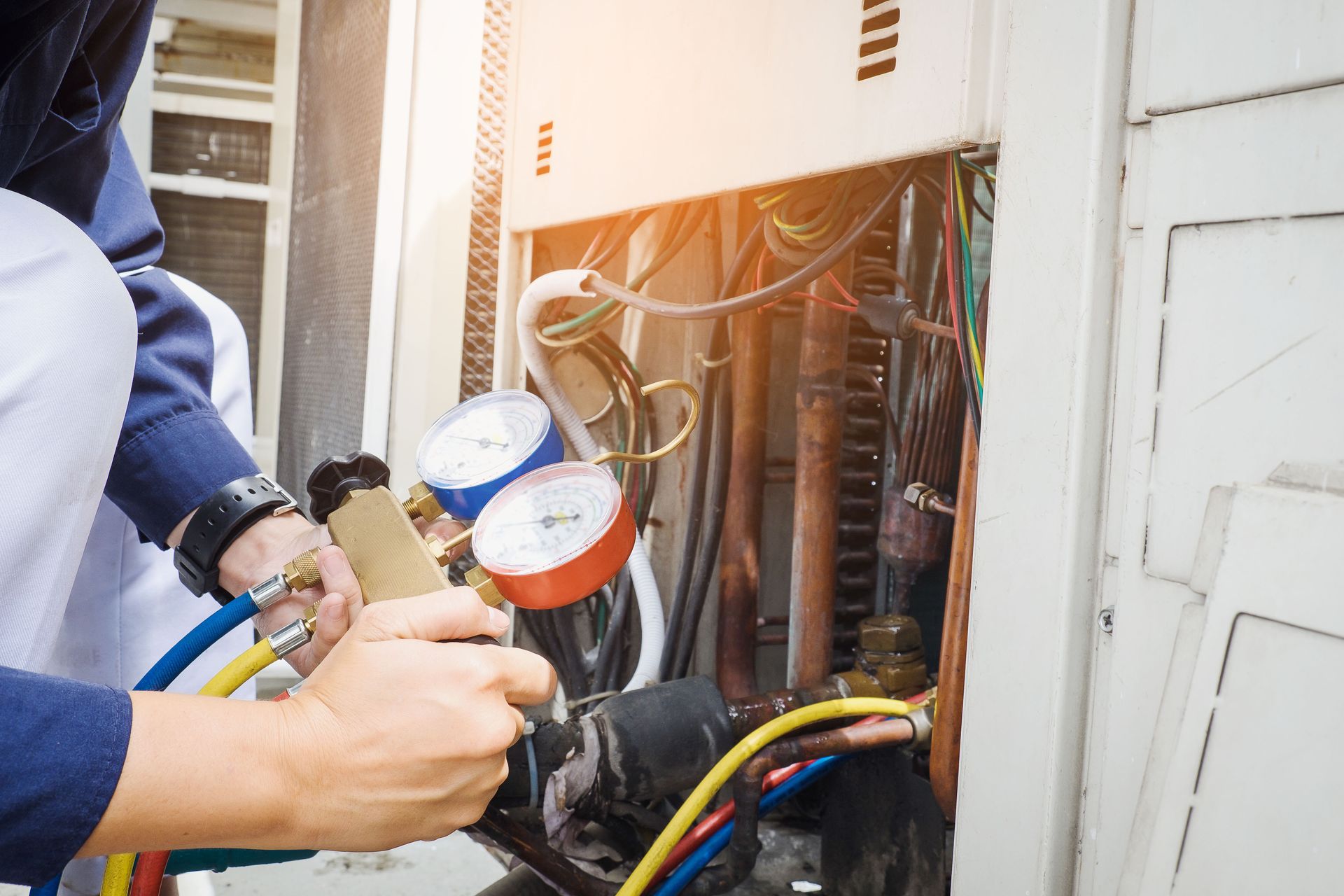
Professional maintenance services help keep equipment operating as efficiently as its condition and design allow. Technicians can evaluate electrical connections, inspect mechanical components, assess refrigerant-related performance, and address conditions that interfere with normal operation. These services can reduce unnecessary strain while helping equipment maintain dependable heating and cooling capabilities.
Scheduling maintenance with an experienced HVAC company also supports equipment longevity. Systems that operate under excessive strain may experience accelerated wear, increasing the likelihood of unexpected repairs. Consistent professional attention can help homeowners protect their investment, reduce avoidable energy waste, and maintain comfortable indoor conditions throughout the year.
Improving Energy Efficiency Through Proper Equipment Sizing
The size of a heating and cooling system has a significant influence on its efficiency. Equipment that is too large or too small for a home may struggle to maintain comfortable temperatures without consuming unnecessary energy. Proper sizing involves evaluating the property’s heating and cooling requirements rather than selecting equipment based solely on square footage.
A professional HVAC company can assess factors such as insulation, window placement, building layout, and local climate conditions when recommending equipment. Accurate load calculations help determine appropriate system capacity and support better performance. Selecting properly sized equipment allows homeowners to achieve more consistent comfort while minimizing unnecessary energy consumption.
Improving Energy Efficiency Through Modern Equipment Upgrades
Heating and cooling technology continues to evolve, offering homeowners opportunities to improve efficiency through modern equipment. Older systems may lack the advanced controls, variable-speed capabilities, and energy-saving features available in newer models. Although existing equipment can remain functional for many years, its performance may become less competitive as technology advances.
Modern high-efficiency systems are designed to deliver effective temperature control while reducing energy consumption under appropriate operating conditions. Features such as variable-speed compressors, advanced blower motors, and improved system controls can help equipment respond more precisely to changing heating and cooling demands.
Consulting an experienced HVAC company can help homeowners determine whether an equipment upgrade makes financial and practical sense. Technicians can evaluate the condition of existing equipment, explain available efficiency ratings, and recommend suitable replacement options. While installation costs vary, an appropriately selected upgrade may provide long-term benefits through lower operating expenses, improved comfort, and more reliable performance.
Improving Energy Efficiency Through Better Airflow Management
Proper airflow is essential for efficient heating and cooling. Conditioned air must circulate effectively throughout a home to maintain consistent temperatures and support equipment performance. When airflow becomes restricted, heating and cooling systems may work harder to distribute air, increasing energy consumption and potentially affecting indoor comfort.
Several conditions can interfere with airflow, including ductwork restrictions, improperly balanced ventilation systems, and mechanical problems involving blower components. These issues may create noticeable temperature differences between rooms or cause equipment to operate longer than necessary.
Improving Energy Efficiency Through Smart Temperature Controls
Temperature controls influence how frequently heating and cooling equipment operates. Traditional thermostats provide basic temperature regulation, while modern programmable and smart thermostats offer additional features that can help homeowners manage energy consumption more effectively.
Advanced controls may allow temperature schedules to reflect household routines, reducing unnecessary heating or cooling during periods when spaces are unoccupied. Certain systems also provide energy usage information, remote accessibility, and adaptive settings that support more consistent temperature management.
An experienced HVAC company can recommend compatible thermostat technology and ensure proper integration with existing equipment. Professional installation and configuration help prevent communication problems that could interfere with system performance. When paired with suitable heating and cooling equipment, advanced temperature controls can contribute to improved efficiency without compromising everyday comfort.
Improving Energy Efficiency Through Improved Ductwork Performance
Ductwork serves as the distribution network for conditioned air throughout many residential heating and cooling systems. When ducts contain leaks, disconnected sections, or inadequate insulation, some conditioned air may escape before reaching its intended destination. This energy loss can increase operating expenses and make maintaining comfortable temperatures more difficult.
Professional duct inspections can identify leakage, insulation deficiencies, and other distribution concerns. Appropriate sealing, insulation improvements, and repairs can help reduce energy losses and improve airflow. Maintaining an effective duct system allows heating and cooling equipment to distribute conditioned air more efficiently, supporting better comfort and potentially lowering utility costs.
Improving Energy Efficiency Through Professional Performance Recommendations
Every home has unique characteristics that influence heating and cooling efficiency. Building materials, insulation quality, equipment age, household preferences, and regional weather conditions all affect energy consumption. Consequently, improvements that benefit a particular property may not produce identical results elsewhere.
Professional heating and cooling specialists can develop recommendations based on actual system conditions and household requirements. Their expertise helps homeowners prioritize improvements that address meaningful sources of energy waste rather than investing in unnecessary upgrades.
The importance of skilled professionals is reflected in workforce data. According to the U.S. Bureau of Labor Statistics, the American economy maintained 425,200 jobs for heating, air conditioning, and refrigeration mechanics and installers during 2024. These professionals support the installation, maintenance, and operation of equipment essential to indoor climate control.
Working with a knowledgeable HVAC company gives homeowners access to specialized evaluations and practical recommendations. Professional guidance can help establish realistic efficiency goals, improve equipment reliability, and support informed decisions about future heating and cooling investments.
Improving Energy Efficiency Through Long-Term System Planning
Energy efficiency is an ongoing consideration rather than a single improvement. As equipment ages and household needs change, heating and cooling requirements may evolve. A system that previously performed efficiently may eventually require adjustments, repairs, or replacement to maintain satisfactory results.
Long-term planning helps homeowners prepare for these changes while avoiding unnecessary expenses. Professional evaluations can establish equipment condition, identify emerging performance concerns, and determine which improvements deserve priority. This approach allows property owners to make decisions based on system performance and expected operating costs.
Developing an ongoing relationship with an experienced heating and cooling provider can also improve maintenance consistency. Familiarity with a property’s equipment history helps technicians recognize recurring concerns and recommend appropriate solutions. Over time, informed planning supports dependable comfort, responsible energy consumption, and better management of household expenses.
Professional services help homeowners identify inefficiencies, select suitable equipment, and maintain reliable operation. By combining preventive maintenance with appropriate upgrades and performance evaluations, homeowners can reduce unnecessary energy consumption while enjoying more consistent indoor comfort.
At Blair Heating & Air Conditioning, we understand the importance of dependable heating and cooling performance. Our team is committed to helping homeowners explore practical solutions that support energy efficiency and lasting comfort. Contact us today to learn how our professional services can help improve your home’s heating and cooling system.